


In today’s fast-paced digital world, your website is often the first impression potential customers get of your brand. But if your website doesn’t work well on smartphones or tablets, that first impression might be your last. That’s where mobile responsive web design comes in.
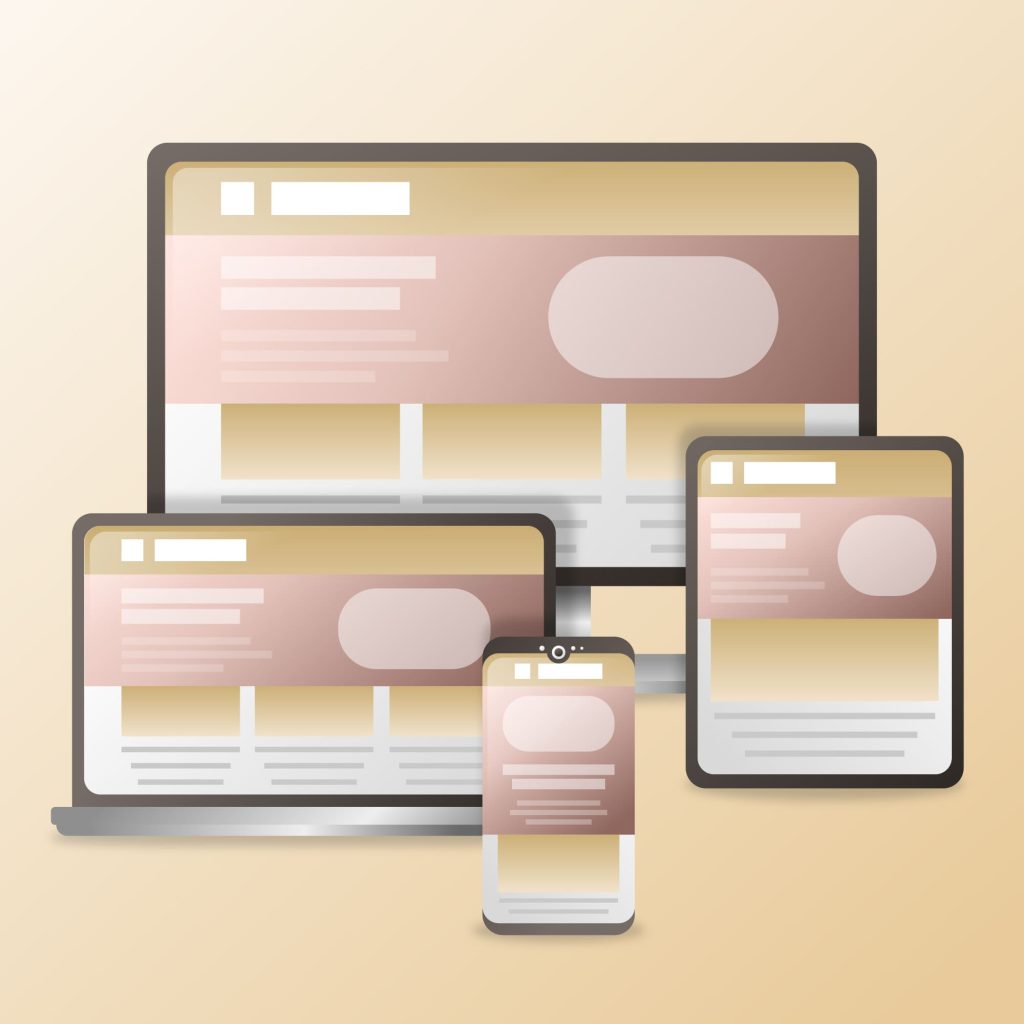
Mobile responsive design means your website automatically adjusts its layout, fonts, images, and functionalities to fit different screen sizes and devices — whether it’s a desktop monitor, a tablet, or a smartphone.
Rather than building separate websites for mobile and desktop users, responsive design uses flexible grids, media queries, and adaptive images to create a seamless experience across all devices.
In today’s fast-paced digital world, your website is often the first impression potential customers get of your brand. But if your website doesn’t work well on smartphones or tablets, that first impression might be your last. That’s where mobile responsive web design comes in.
As of 2025, over 65% of web traffic comes from mobile devices. If your site isn’t mobile-friendly, you’re potentially losing more than half your audience.
Google now ranks websites based on their mobile versions. A poorly optimized mobile site can hurt your SEO rankings, visibility, and traffic.
A responsive website reduces loading time, avoids broken layouts, and makes navigation easy. This means more time on site, lower bounce rates, and higher conversions.
Maintaining one responsive website is more efficient than managing separate mobile and desktop versions. It’s also easier to update content and features consistently across all devices.